
ACL Rehab Physiotherapy in Langley, BC
Pre-surgery, post-surgery or non-surgical: our Langley physiotherapists guide athletes and active adults through every stage of ACL rehab, from the first swelling and stiffness to confident return to sport.
Direct billing available · ICBC & WorkSafeBC provider · Online booking 24/7
How ACL Rehab Works: From Swelling to Return to Sport
ACL rehab moves through clear phases. Each one has a goal, and you move on when your knee is ready, not just when a date arrives.
- 1Roughly weeks 0–4
Calm the knee and get moving
We settle swelling and pain, restore full knee straightening and bending, and wake up your thigh muscle. You also relearn a normal walking pattern.
- 2Roughly weeks 4–12
Build strength and balance
Leg strength, hip control and balance work progress steadily. Stairs, cycling and gym-based exercises become part of your week.
- 3Roughly months 3–4
Return to running
Once swelling, strength and movement pass set checkpoints, we start a graded jogging plan. Your progress, not the calendar, decides the pace.
- 4Roughly months 4–8
Power, jumping and agility
Now we train landing, jumping, cutting and change of direction, first in controlled drills and then at sport speed.
- 5Often 9+ months after surgery
Return to sport
Testing confirms you are ready. We then phase you back into practice, then games, with a plan for keeping the knee strong long term.
Every knee is different. These timelines are approximate. Graft type, other injuries such as a meniscus tear, your sport and your surgeon's protocol all change the schedule. Non-surgical rehab follows a similar path, but the timing can differ.
Before Surgery (Prehab): Start Strong
If you have torn your ACL and surgery is planned, the weeks before your operation are valuable. Prehab gets your knee ready.
Why prehab matters
- A calm, fully straight, strong knee at surgery usually makes early recovery smoother.
- Regaining full knee extension before surgery helps you avoid stiffness afterwards.
- You learn your post-op exercises and crutch technique while you feel well.
- You know what the next months look like, which lowers stress and helps you plan work and sport.
What you do in prehab
- Reduce swelling and restore full knee straightening and bending.
- Strengthen your quads, hamstrings, glutes and calves.
- Train balance and controlled landing so the knee feels steady.
- Practise walking with crutches and your first post-surgery exercises.
- Set goals for your sport and your return-to-work timeline.
Surgery date already booked? Even two to four weeks of prehab can make a difference. Book your prehab assessment and we will build a plan around your date.
After ACL Surgery: Your First Visits and Surgeon Coordination
Early rehab protects your new graft while restoring motion. You are never guessing what comes next.
Your first visits
- We usually see you within the first days to first week, following your surgeon's guidance.
- We measure knee bend and straightening and check swelling and how the incision looks.
- We activate your thigh muscle, often with electrotherapy or targeted exercises.
- We fine-tune your crutch walking, bracing and home exercise plan.
- You leave every visit knowing what to do, what to avoid and what to report.
How we work with your surgeon
- We follow your surgeon's protocol, including graft type, meniscus repair and weight-bearing rules.
- Bring your operative report or rehab protocol to your first visit, if you have it.
- We share progress updates and flag concerns, such as persistent swelling or lost motion, promptly.
- We check with the surgical team before advancing your program whenever the protocol calls for it.
Looking for broader recovery support after an operation? Our team also offers post-surgical rehab for other joints and procedures.
Return-to-Sport Testing: How We Know You Are Ready
Before you go back to cutting, jumping or contact, we test more than the calendar. A good test set looks at strength, power, movement and confidence together.
Strength testing
We measure thigh muscle strength on both legs and compare the injured knee with the healthy one. Many programs aim for about 90% as a general benchmark.
Hop tests
Single, triple and side-to-side hops show how well the leg produces power, absorbs impact and stays steady. Again, we compare both sides.
Movement quality
We watch squats, landings, direction changes and stopping. Knee alignment, trunk control and how symmetrical you look all matter.
Confidence and readiness
Trusting your knee counts too. We ask how you feel about cutting and contact, then match your sport plan to your progress.
Passing the tests is a checkpoint, not a finish line. We plan your gradual return to practice and games and set up a strength routine to help protect your knees afterwards.
Meet the Physiotherapists Who Lead ACL Rehab
Our CPTBC-registered physiotherapists treat ACL injuries every week and work closely with your surgeon, doctor and coach.
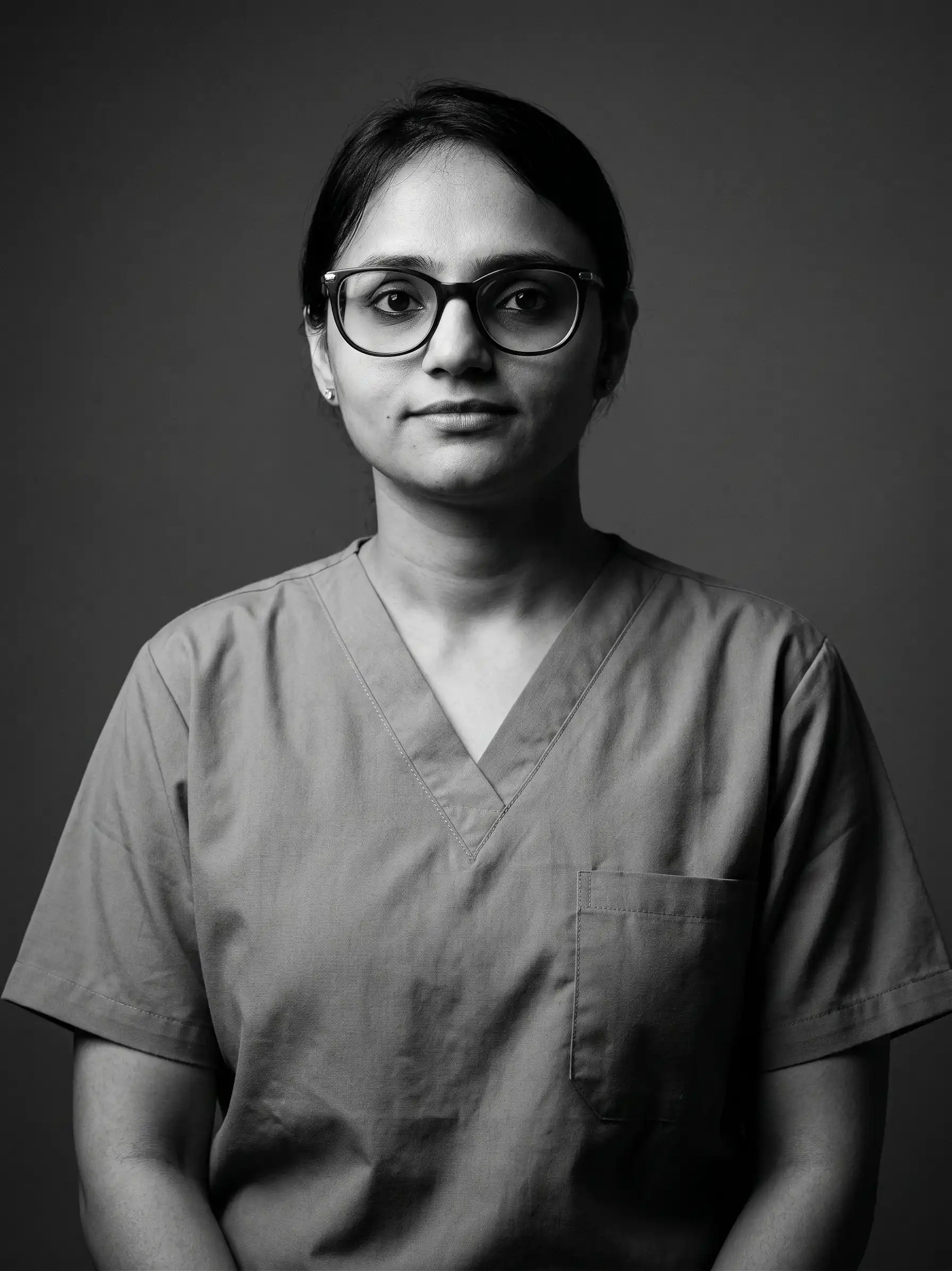
Harpreet Kaur
BPT · CPTBC-registered
Physiotherapist, knee and sport injury rehab
- Guides pre-surgery and post-surgery ACL rehab
- Builds return-to-sport plans for athletes and active adults
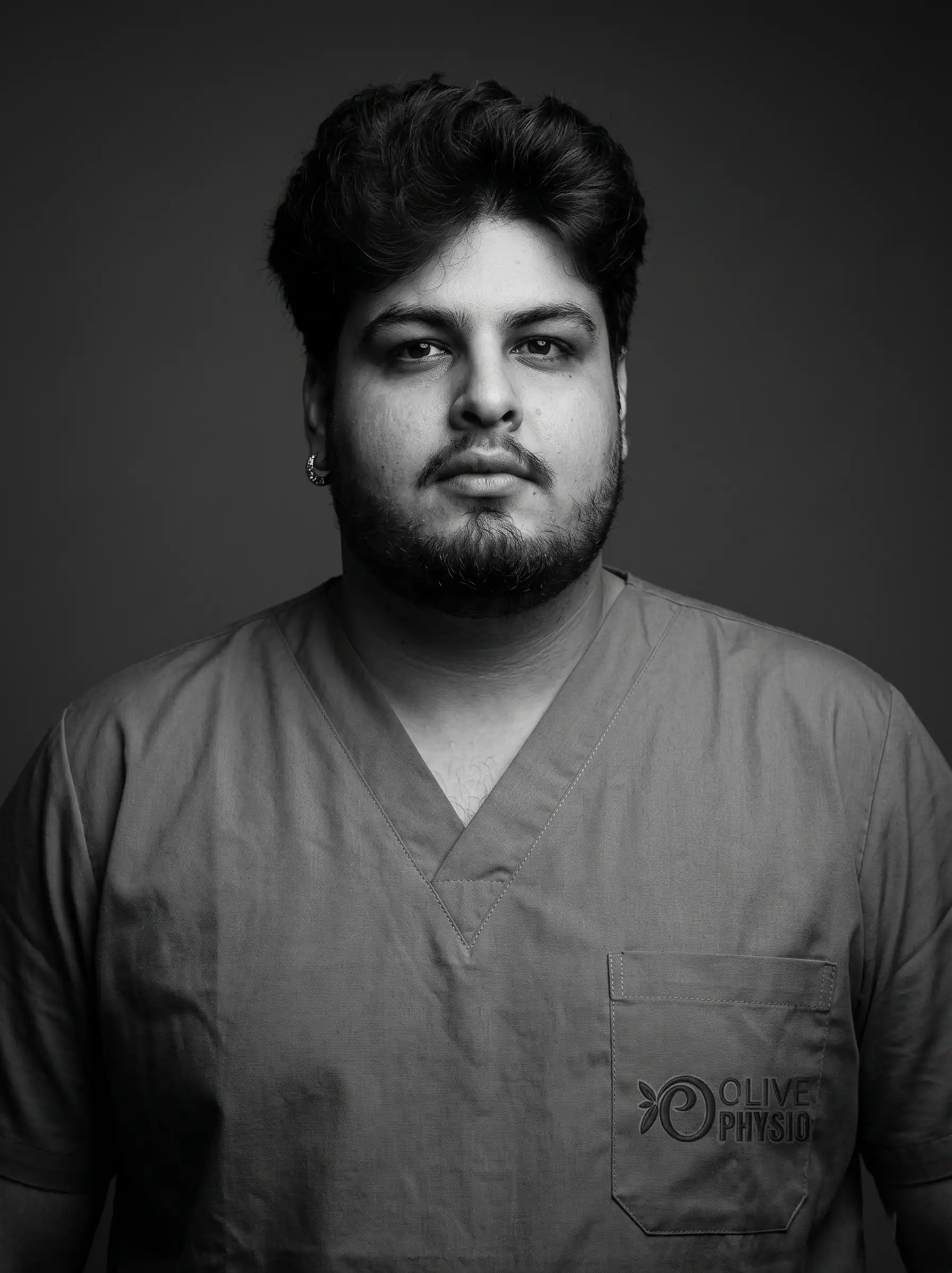
Rhythm
BPT · CPTBC-registered
Physiotherapist, movement assessment and load-based rehab
- Leads strength testing and hop-test assessments
- Supports non-surgical ACL management and running progressions
Sports We Help With in Langley
ACL injuries often happen in sports with cutting, pivoting and landing. We tailor every plan to your sport.
Also common in Langley: rugby, football, lacrosse, softball, snowboarding and recreational fitness.
Book Your ACL Assessment in Langley
Start with a thorough knee assessment and leave with a clear plan, whether surgery is planned, done or still undecided.
Serving Langley City, Willoughby, Walnut Grove, Murrayville, Brookswood, Fort Langley, Aldergrove, Clayton Heights and Cloverdale/Surrey.
Frequently Asked Questions About ACL Rehab
How long does ACL recovery take?
Most people need about 9 to 12 months after ACL reconstruction before returning to pivoting or contact sport, and some need longer. Walking and daily activities usually return much sooner. Timing depends on your graft type, any other injuries, your strength and your sport, so we use testing checkpoints rather than fixed dates.
Can I rehab an ACL tear without surgery?
Yes, for some people. Non-surgical management can work well for those with a stable knee, lower-demand activities, or partial tears, and it is common to start with rehab before deciding on surgery. If your knee keeps giving way or you want to return to cutting and pivoting sport, your surgeon may recommend reconstruction. We assess your knee, build a strength-based plan and help you make that decision with your doctor.
Do I need a referral for ACL physiotherapy in Langley?
You do not need a physician's referral to see a physiotherapist in British Columbia. Some funders and insurers have their own requirements, such as an ICBC or WorkSafeBC claim number, so check with them or call us and we will help you sort it out. If you have had surgery, bring your surgeon's protocol.
Do you direct bill?
Yes. We direct bill many major extended health insurers, and we also work with ICBC and WorkSafeBC claims. Coverage differs between plans, so bring your benefits details when you book and we will confirm what your plan covers before your visit.
When can I start running after ACL surgery?
Running usually begins around 3 to 4 months after surgery, but only once swelling is controlled, you have full motion and your strength and movement pass specific checkpoints. Your surgeon's protocol always comes first. We guide the graded jogging program step by step.
When should I start physiotherapy after ACL surgery?
Ideally, book your first visit before surgery for prehab, or within the first week after surgery. Early rehab focuses on swelling control, knee motion and thigh muscle activation, which sets up the rest of your recovery.